2022-09-06
Central kitchens reformed traditional catering distribution and service. What is the model, and what are its advantages? CHINENG analyzes.
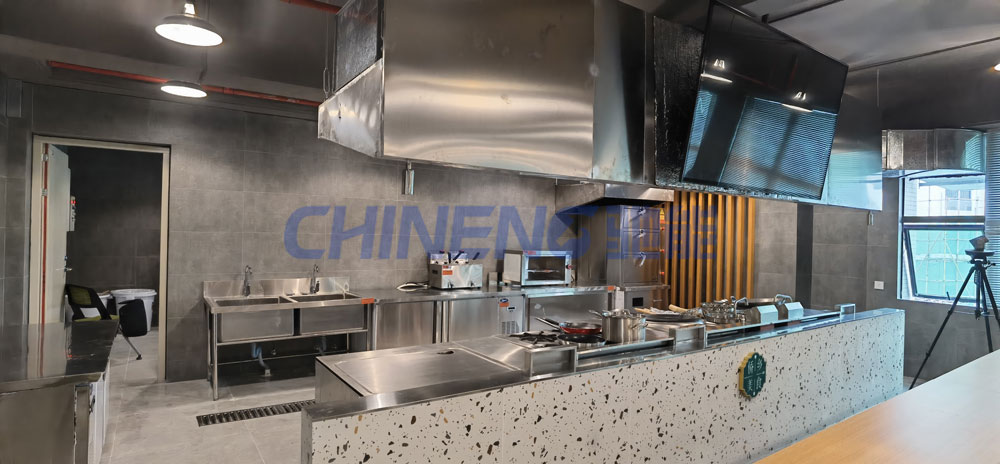
The model
A standardized, efficient catering production model suited to McDonald’s, KFC, large restaurants, hotpot, and hotel chains—among the best digital/industrial approaches today.
Advantages
1. Central purchase/production to control price and raise profit.
2. Lower store/canteen prep cost, stock, and waste.
3. More stable, hygienic, consistent products for stores, canteens, convenience, and consumers.
4. Fast multi-SKU, small-batch delivery with lower logistics cost.
5. Higher efficiency and service level.
6. Less equipment needed at each site.
7. Less human variance in dish quality.
8. Central storage, wash, and thaw cuts utility cost.
9. Better use of labor and property despite trading peaks.
10. Digital yield control for better cost management.
11. Less kitchen waste and wastewater/exhaust.
12. Unified brand packaging for finished/semi-finished goods.
13. Integrated warehouse/delivery cuts store cold units and power.
Disadvantages
1. Transport care is hard—quality risk in transit.
2. Traffic delays, especially in tier-1 cities.
3. Hard to cover highly handcrafted dishes.
4. Line defects can affect whole batches.
Central kitchens bridge food industry and catering as chains industrialize. Follow CHINENG for more commercial kitchen knowledge.
Price transparency
Nationwide coverage
Rapid design
Quick quote
Worry-free after sale
Guangdong Jiushang Electronic Technology Co., Ltd.
+86-400-0622-168
Mobile: +86-135-2862-7820
Contact: Manager Liu
Address: Building 5, Huyue Bay Area, Humen Town, Dongguan City, Guangdong Province, China