2026-08-07
Restaurant kitchens cook with open flame and fuels such as LPG, town gas, natural gas, charcoal, and alcohol. Misuse easily causes fire. What prevention measures should you take? See the points below.
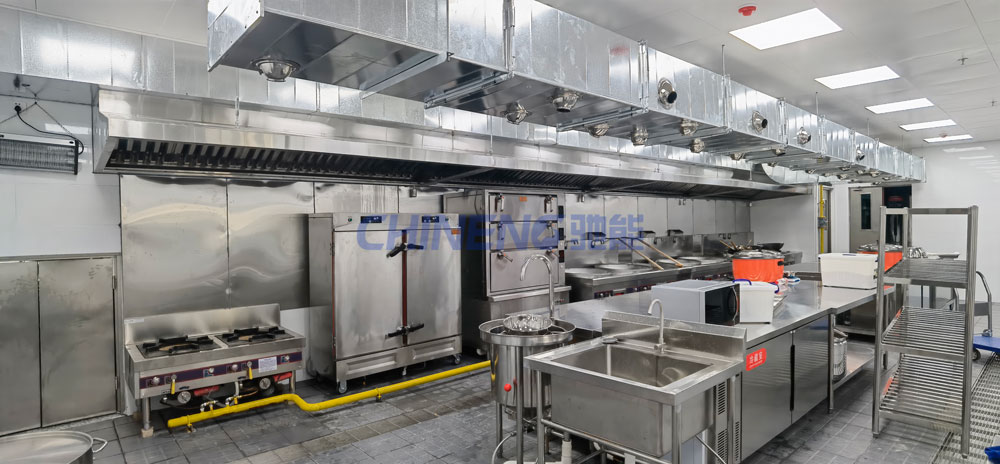
Restaurant kitchen fire prevention
1. Multiple fuels: open-flame work with LPG, town gas, natural gas, or charcoal can leak, burn, or explode if handled poorly.
1) Switch to cleaner, safer energy where possible; many large cities use natural gas as the main fuel to cut fire incidents;
2) As power infrastructure improves, electric equipment such as induction cookers and wok ranges will become mainstream and further reduce fire risk;
3) Control and monitor fuel selection, valves, and combustible-gas leak detection; use gas correctly;
4) Open the cylinder valve before the ignition valve; never operate with a leak; do not heat or lay cylinders on their side; inspect ranges, hoses, and cylinders regularly;
5) Keep LPG cylinders 1–1.5 m from the range and maintain indoor ventilation;
6) Prevent overheating oil and clean hoods and exhaust ducts on a schedule.
2. Heavy grease: incomplete combustion products and oil vapor build combustible films on walls, flues, and hoods. Without cleaning, grease fires can start.
1) The best prevention is removing surface and internal duct grease;
2) Hotels and restaurants should deep-clean ranges, flues, and exhaust ducts at least once a quarter;
3. Electrical systems
1) Some kitchens still use aluminum instead of copper conductors, unsheathed wiring, or incomplete switchgear;
2) Moisture, grease, and smoke age insulation quickly and cause leakage or short circuits;
3) Overloading is common with high-power appliances and can overheat sockets and wiring;
4) No temporary wiring in dining areas; all circuits and equipment must be installed by qualified electricians;
5) Do not overload plant, and protect wiring from heat, moisture, corrosion, and abrasion.
4. Appliances: misuse of pressure cookers, steamers, rice cookers, freezers, and ovens often causes kitchen fires.
1) Keep electrical appliances dry—water and electricity are a dangerous mix;
2) Inspect regularly and replace aging equipment before overload failure.
5. Fear of fire: panic can turn a small fire into a large one. Train staff and run fire drills.
6. Careless water dumping: water poured into electrical equipment causes corrosion and short circuits.
Prevention
Designate a dumping area, supervise practice, and never hose down electrical equipment.
If fire breaks out, alert the fire center, call 119, and use on-site extinguishers on the early-stage fire. Follow CHINENG for more commercial kitchen engineering guidance.
Price transparency
Nationwide coverage
Rapid design
Quick quote
Worry-free after sale
Guangdong Jiushang Electronic Technology Co., Ltd.
+86-400-0622-168
Mobile: +86-135-2862-7820
Contact: Manager Liu
Address: Building 5, Huyue Bay Area, Humen Town, Dongguan City, Guangdong Province, China